How to make a Hugo Spritz mocktail
There are very few drinks that taste as fancy as they sound. The Hugo spritz mocktail is one of those few. Pour it into a pretty wine glass over plenty of ice, garnish it with mint, add a garnish, or just like that, you've got yourself a drink that looks like it belongs at a summer garden party in Italy.
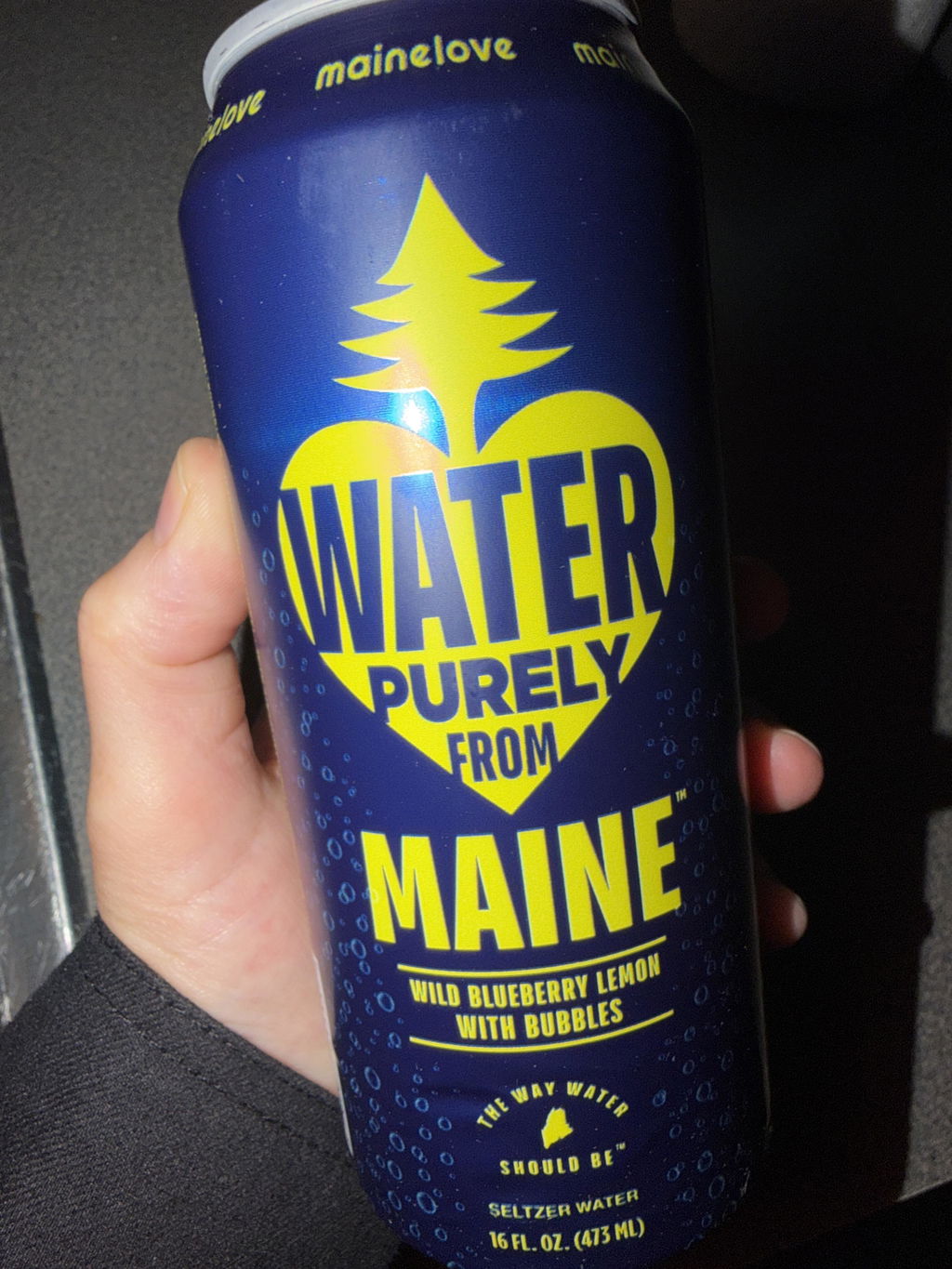
The best thing about the Hugo spritz is that you don’t really need alcohol to enjoy it; the mocktail version will get your spirits up without any additional spirits included, if you get our drift. The original Hugo is made with Prosecco (sparkling white wine), elderflower syrup, soda, and mint. For our non-alcoholic Hugo Spritz, we're switching things around a little. Instead of plain sparkling water, we're using mainelove Wild blueberry lemon with bubbles, of the og recipe’s lemon flavor with a touch of wild blueberry along with the fizz.
The story behind the Hugo Spritz
Compared to other Italian cocktails, the Hugo spritz is a recent recipe created in 2005 by a bartender named Roland Gruber. He wanted to create a lighter, fruitier, and more floral alternative to the ubiquitous Aperol Spritz. Though he initially named his creation “Otto”, he quickly renamed it “Hugo” because he felt Otto didn’t sound quite right.
The original version didn’t use elderflower but instead used a locally produced lemon balm syrup. The switch to elderflower happened later because lemon balm syrup was not easily available elsewhere.
However, it wasn’t until 2023 that Hugo Spritz attained global stardom. This happened in large part due to viral social media trends that contributed to a global obsession with Italian aperitivos.
Ingredients you'll need to make a Hugo Spritz mocktail
-
1 oz elderflower cordial (non-alcoholic)
-
6–8 fresh mint leaves
-
8 oz chilled mainelove Wild Blueberry Lemon With Bubbles
-
Ice
-
Lemon wheel and mint sprig for garnish
-
A few fresh blueberries, optional
Note: We're using comparatively less elderflower cordial than you might see because the Wild blueberry lemon with bubbles add enough flavor of its own. We’re also not adding sweetness but you can add it if you want a sweeter version.
How to make a Hugo Spritz mocktail
-
Add the mint leaves and elderflower cordial to a large wine glass.
-
Gently muddle the mint until it releases oils. Make sure it doesn’t get turned into paste.
-
Add the fresh lime juice.
-
Fill the glass with ice.
-
Pour in the chilled mainelove Wild blueberry lemon with bubbles.
-
Stir as gently as you can to retain the fizz.
-
Add a lemon wheel, a few blueberries and a sprig of mint to garnish.
-
Serve immediately.
Tip: If you want to make your Hugo Spritz mocktail a little more fruity, add a small handful of fresh blueberries to the glass and press them very gently with the back of a spoon before adding the ice. Don't mash them up too much. What you want is a little extra blueberry flavor and some pretty berry bits floating around in the glass, not blueberry soup.
How do you make a Hugo Spritz non-alcoholic?
You can make a non-alcoholic Hugo Spritz by replacing the Prosecco and soda in a traditional Hugo with an alcohol-free sparkling drink. Suggested options include mainelove Wild Blueberry Lemon with Bubbles or mainelove Raspberry Lime with Bubbles.
What is a Hugo Spritz made of?
A traditional Hugo Spritz is made with Prosecco, elderflower syrup or liqueur, soda water, and fresh mint, usually served over ice with lime. The original recipe actually used lemon balm syrup before elderflower became the more common ingredient.
Why is a Hugo Spritz called Hugo?
Roland Gruber, who created the drink in 2005, originally called it Otto and then changed the name to Hugo because the drink didn’t feel like an Ottoo. Sadly for us, there doesn’t seem to be a particularly exciting Hugo hiding somewhere in the story.
Is Hugo Spritz a classy drink?
In our opinion, the Hugo Spritz certainly looks the part, especially if you serve it all fancy in a large wine glass. It’s certainly lighter and more floral than an Aperol Spritz.
Is Hugo Spritz stronger than Aperol?
If we're talking about the cocktails, both are relatively light cocktails. However, the alcohol content varies based on the recipe and the amount of Prosecco, Aperol, or elderflower liqueur used. A traditional Hugo is usually a lower-alcohol spritz, not a strong cocktail.