Club Soda vs Sparkling Water: What’s the Difference?
They’re fizzy, they’re refreshing, and they often sit side by side on grocery shelves, but club soda and sparkling water aren’t quite the same thing. If you’ve ever wondered whether it matters which one you reach for, here’s what actually sets them apart (and when it does matter).
-
How they get their fizz (and what comes with it)
Both drinks are carbonated, but the source of that carbonation, and what’s added afterward, is what sets them apart.
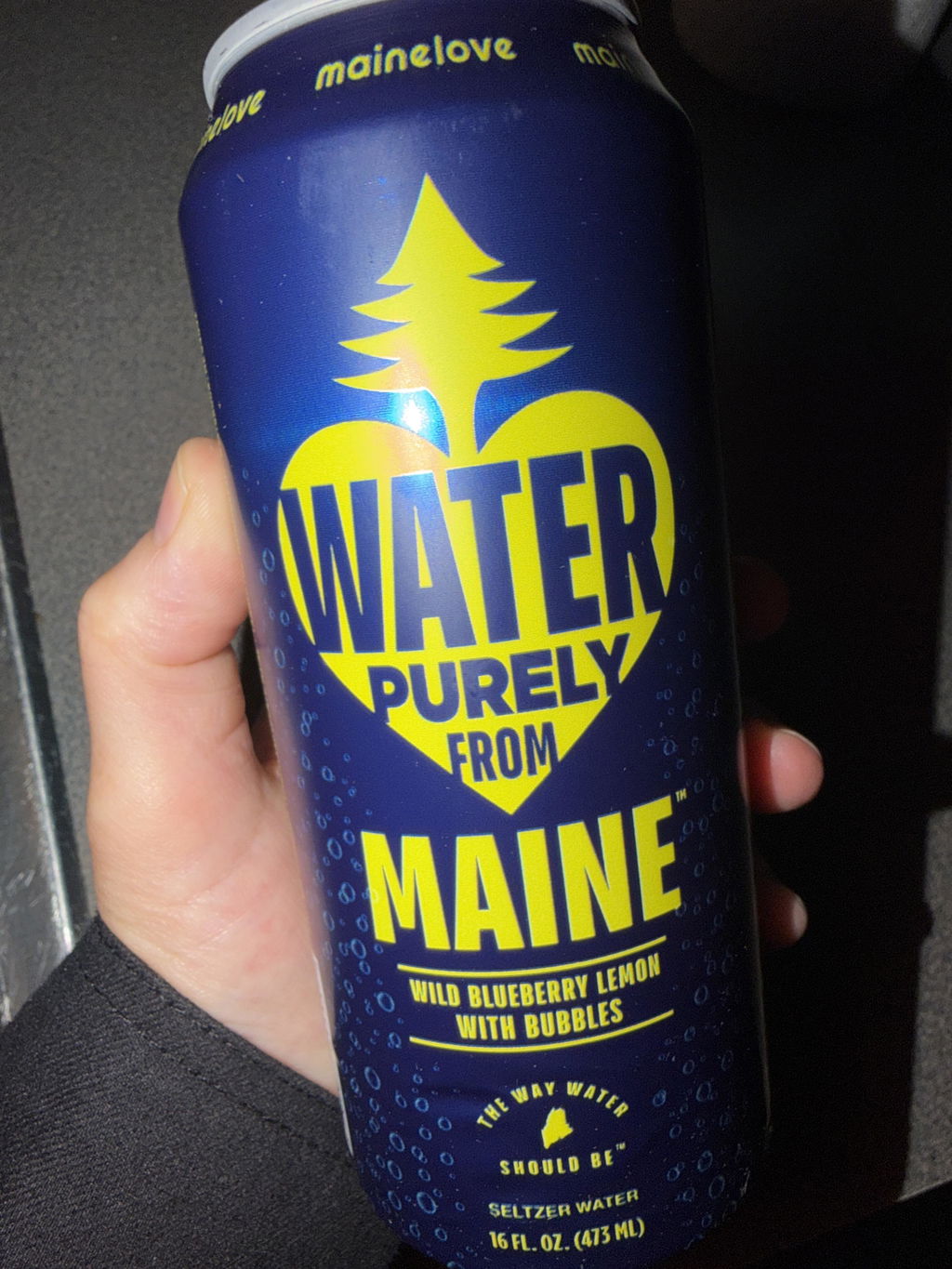
Sparkling water (or carbonated mineral water) is either naturally fizzy or carbonated using pressurized CO₂. If it’s labeled “mineral,” that means it contains naturally occurring minerals like calcium, magnesium, or sodium, depending on its source. Brands like mainelove (sourced from Sebago Lake water), San Pellegrino (made from a mineral spring in the Italian Alps) or Topo Chico (made from a natural spring in Monterrey) fall into this category, and the flavor often reflects the geology of the spring it comes from.
Club soda, on the other hand, is always artificially carbonated and gets its slightly salty taste from added minerals like sodium bicarbonate, potassium sulfate, or sodium citrate. These aren’t naturally present; they’re added to make the water more “neutral” in cocktails or to mimic the minerality of spring water.
-
Difference in taste
This is where the difference really shows up. Sparkling water usually has a lighter, cleaner taste. If it’s unflavored, what you’ll notice most is the level of carbonation and the subtle minerality, depending on the source. Brands, like San Pellegrino or Topo Chico, carry a soft mineral edge from their natural springs. Others, like mainelove, are smoother and cleaner, with gentle carbonation and no added salts.
Club soda, on the other hand, is intentionally tweaked to have a more neutral or slightly salty taste. The minerals added during manufacturing, like sodium bicarbonate and potassium sulfate, give it a bit more punch on the tongue. It’s not overwhelming, but if you’re sipping it plain, you’ll definitely taste the difference.
-
What they’re best used for
Sparkling water is made for easy sipping. Whether unflavored or naturally infused, it’s refreshing on its own, especially when you want a clean, crisp alternative to soda. It’s light, refreshing, and makes for a good soda alternative without the sugar or additives. Many people also use it as a base in mocktails or spritz-style cocktails where a gentle fizz and clean flavor work best. It pairs well with citrus, herbs, or light infusions without overwhelming the mix.
Club soda is a staple behind the bar. Its added minerals give it a stronger bite, which helps it hold up in more complex drinks. From a classic Tom Collins to a citrus-forward spritz, it’s designed to mix well and stay fizzy under pressure.
-
Texture and fizz strength
Beyond the taste, there’s a noticeable difference in how each one feels when you drink it. That’s because not all bubbles are created equal.
Club soda usually has a stronger, more aggressive carbonation. The added minerals stabilize the bubbles, so the fizz tends to hit harder and last longer. That extra bite is one reason it works so well in cocktails; it holds up under ice, juice, and alcohol without going flat too quickly.
Sparkling water varies more depending on the brand and source. Some have a soft, subtle fizz that feels smooth and easy to sip. Others are intensely carbonated with a sharper mouthfeel that almost sparkles on the tongue. These variations come down to mineral content, carbonation pressure, and bottling method.
If you’ve ever felt one sparkling water tastes “softer” than another, this is why.
-
How they’re labeled (and why it matters)
Club soda and sparkling water may look similar on shelves, but they fall under different classifications when it comes to labeling and regulation.
In the United States, sparkling water can fall into one of several categories, including carbonated water, sparkling mineral water, or seltzer, depending on its source and whether it contains naturally occurring minerals. If it’s labeled “mineral water,” the minerals must be naturally present, and the carbonation can be natural or added later. These are regulated by the FDA under bottled water standards.
Club soda, on the other hand, is not regulated as bottled water. It’s treated more like a soft drink, even though it contains no calories or sugar. Manufacturers can add minerals to achieve a specific taste profile, and while ingredient lists are still required, the standards aren’t the same as for spring or mineral water.
If you care about sourcing, mineral content, or how transparent a brand is with its labeling, knowing these categories can help you figure out what you’re drinking.
-
Club Soda vs. Sparkling Water: Side-by-Side Comparison
Feature |
Sparkling Water |
Club Soda |
|---|---|---|
|
Source |
Still or spring water, sometimes naturally carbonated |
Filtered water with added carbonation |
|
Carbonation |
Naturally occurring or added CO₂ |
Always artificially carbonated |
|
Mineral Content |
May contain naturally occurring minerals (varies by source) |
Contains added minerals like sodium bicarbonate or potassium sulfate |
|
Flavor Profile |
Clean, light, may have subtle minerality |
Slightly salty or alkaline due to added minerals |
|
Fizz Strength |
Varies by brand (some are bold, others are softer) |
Stronger, more stable fizz made for mixing |
|
Used For |
Sipping, light cocktails, soda alternative |
Mixing with spirits or citrus, cocktails and mocktails |
|
Classification |
Regulated by FDA as bottled water (if mineral or spring water) |
Classified more like a soft drink; not regulated as bottled water |
|
Sodium Content |
Usually low or zero |
Slightly higher due to added ingredients |
|
Calories/Sugar |
None |
None |
Club soda and sparkling water might seem interchangeable at a glance, but they’re made differently. That is what affects how they taste, how they mix, and how they’re labeled. Sparkling water is the clear choice for everyday sipping, while club soda earns its place behind the bar. Neither is better across the board. It just depends on what you’re reaching for and why.
If you’re after something light, flavorful, and easy to enjoy, now you’ll know which shelf to check. Hint – It’s mainelove you’re looking for 😉