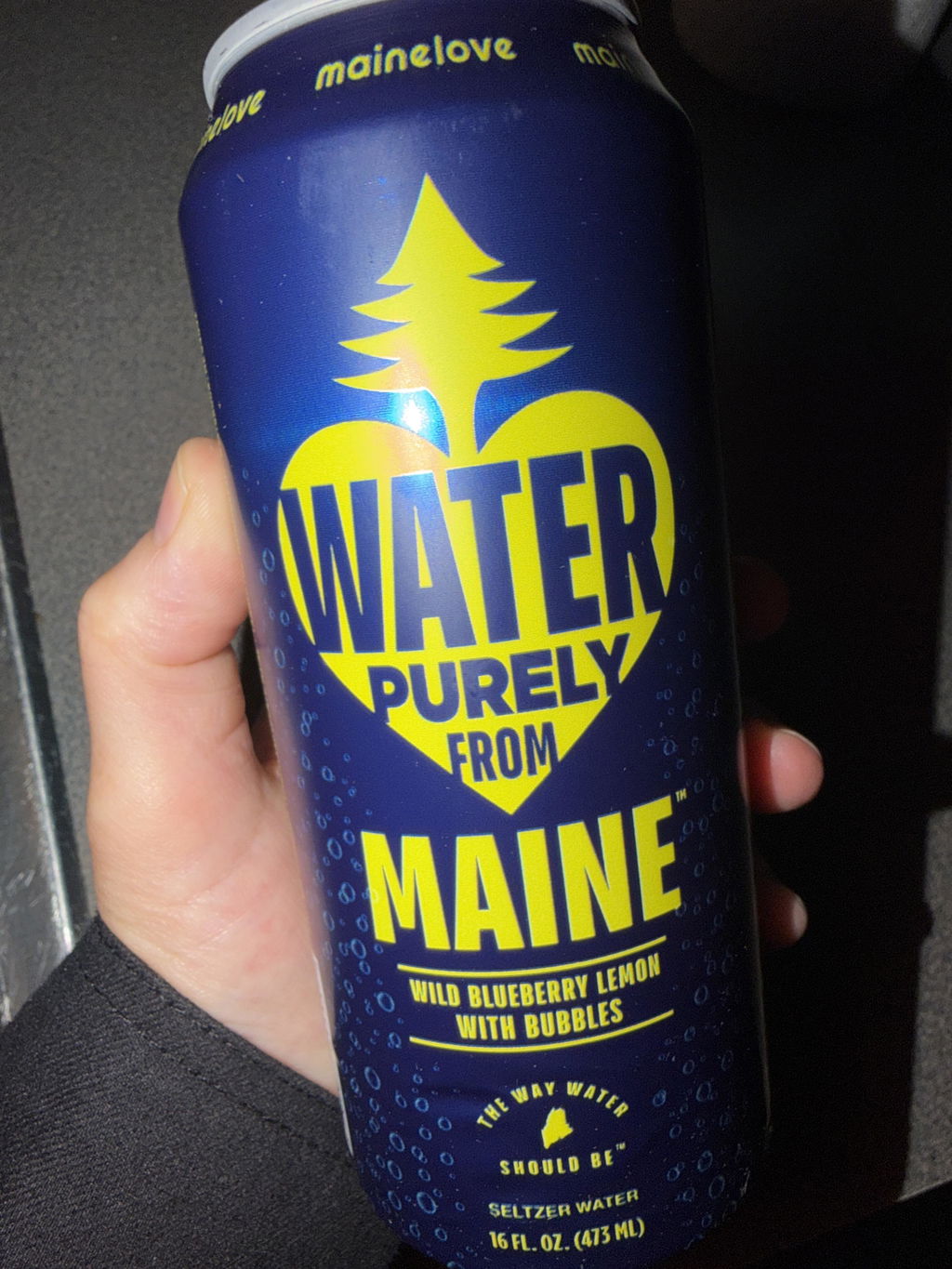
Why we went with BPA-NI liners for mainelove cans
Did you know every aluminum can has a thin coating inside of it? If you didn’t, that’s okay. When you pick up a can of sparkling water you rarely consider the liner inside it. You might think about the flavor, the minerals, or maybe just how cold it is. The liner is not really something one thinks about and that is exactly why we, at mainelove, spent so much time on it.
The fact is, every aluminum can has a thin coating on the inside. This layer between your drink and the metal does a whole lot more work than it gets credit for. If the can’s liner is wrong, you end up with pinhole leaks and a shorter shelf life. Your drink starts tasting off before the can is even opened.
Why mainelove cans don’t have epoxy liners
BPA-NI, short for Bisphenol A Non-Intent, indicates that BPA is intentionally not used in the coating. Most beverage cans on the market use an epoxy liner. It's been the industry standard for decades because it works. It's durable and cheap to produce at scale. Plus, most canning lines are already set up for epoxy, not BPA-NI.
Why can’t all cans use BPA-NI liners?
If BPA-NI liners are better for health-focused brands, why doesn’t everyone use them?
Performance: Traditional BPA-based epoxy liners have been the top choice for years. They protect against corrosion and handle high-heat sterilization. Some BPA-NI options don’t work as well with very acidic, salty, or fatty foods.
Cost: BPA-NI coatings are generally more expensive, both in terms of the coating itself and the manufacturing changes that are needed to use it.
Food compatibility: A liner that works well for canned peaches may not work for tomatoes, soups, or pet food. Manufacturers frequently need different BPA-NI formulations for different products.
Supply chain: Not all can manufacturers have access to the same BPA-NI technologies, nor do they have enough production capacity.
Regulatory differences: In the U.S., BPA can’t be used for infant formula packaging, for instance. But it’s not banned from all food cans. That’s why some manufacturers still use BPA-based epoxy where it’s allowed.
According to PPG's packaging coatings team, adoption of BPA-NI and non-BPA coatings is increasing, but how fast varies a lot by region, and it's largely being pushed by legislation, which itself follows consumer pressure. In places without that regulatory push, plenty of manufacturers are still defaulting to epoxy because it's the easy choice and not because it's better for the product going inside.
Why the liner choice matters for a mineral drink specifically
Think of the inside of a can as a chemical environment. Ingredients like citric or malic acid, dissolved oxygen, minerals, and even how the can was handled after filling all affect whether the liner and what’s inside of it get along. Sometimes they don't, and that's how you end up with corrosion. Corrosion is the most common reason cans leak or lose shelf life. It's rarely one ingredient causing the problem. It's usually a mix of factors working against each other at once, which is exactly why isotonic and mineral-forward drinks like ours need a liner built with that combination in mind rather than a generic option built for something else.
Why mainelove uses BPA-NI and why it matters
Part of the reason why we, at mainelove, use BPA-NI is technical - our drinks are mineral-heavy, and BPA-NI is the liner best suited for that. The other reason is transparency. Groups like the Environmental Working Group have pushed for years for canned beverage and food brands to be clear about what's lining their cans and to back it up with independent testing rather than merely a supplier's claim. That's the bar we wanted to meet.
Was epoxy the easier, cheaper, more proven choice? Yes. But we picked BPA-NI anyway, because it's the right fit for what's actually in our cans and because we didn't want you to have to wonder about it.
Next time you make a mocktail with a can of mainelove, remember that our focus on quality and safety starts long before you taste the drink. By choosing BPA-NI liners, we put you first, so you can trust that every part of our packaging supports your health and experience.